

No products in the cart.
Sale!

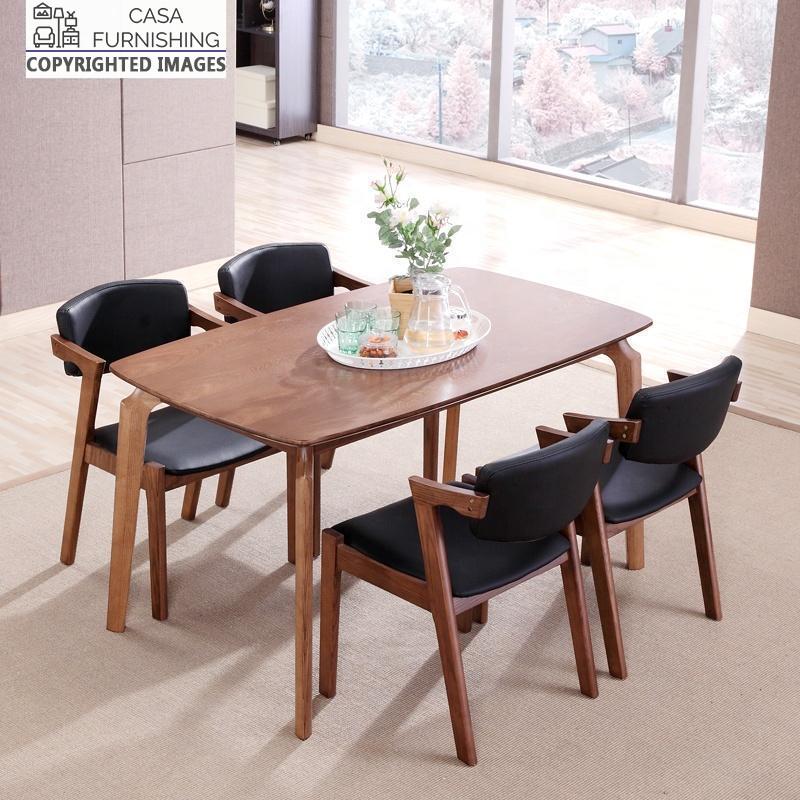
4 Seater Dining Table Sets
Modern Dining Table Design | Wooden Dining Table with Bench | All Sizes
Price range: ₹ 8,000.00 through ₹ 72,600.00
Sale!


4 Seater Dining Table Sets
Dining Table of Wood | Dining Room Set in All Sizes | Sheesham Wood
Price range: ₹ 7,000.00 through ₹ 52,140.00
Sale!


6 Seater Dining Table Sets
Wooden Dining Table Set | Dining Table 6 Seater | Sheesham Wood
Price range: ₹ 7,500.00 through ₹ 52,800.00
Sale!
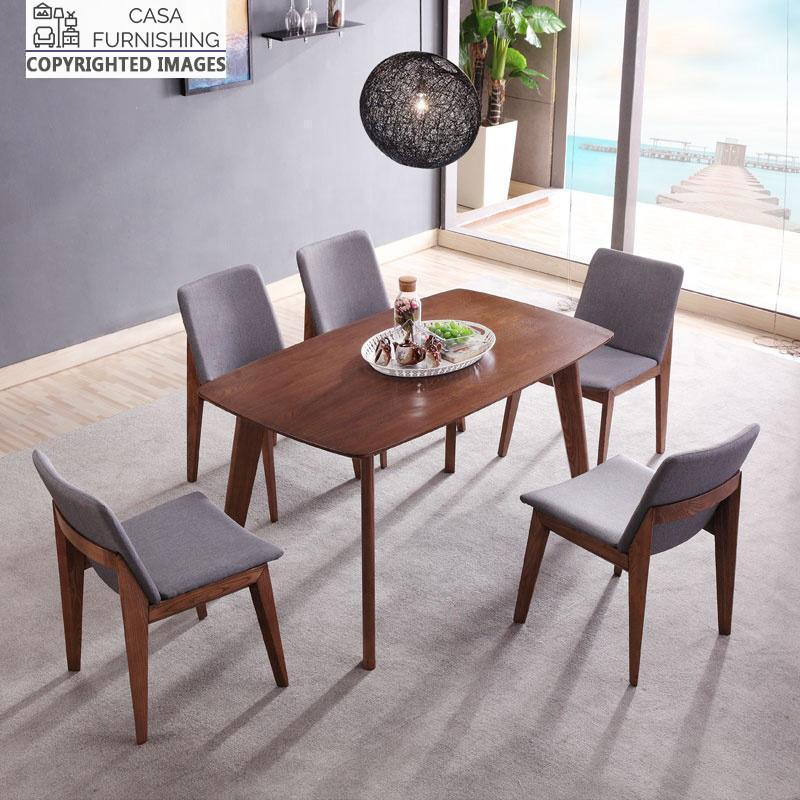

4 Seater Dining Table Sets
Dining Table Chairs | Best Dining Table Set in Sheesham Wood | All Sizes
Price range: ₹ 7,500.00 through ₹ 67,650.00
Sale!
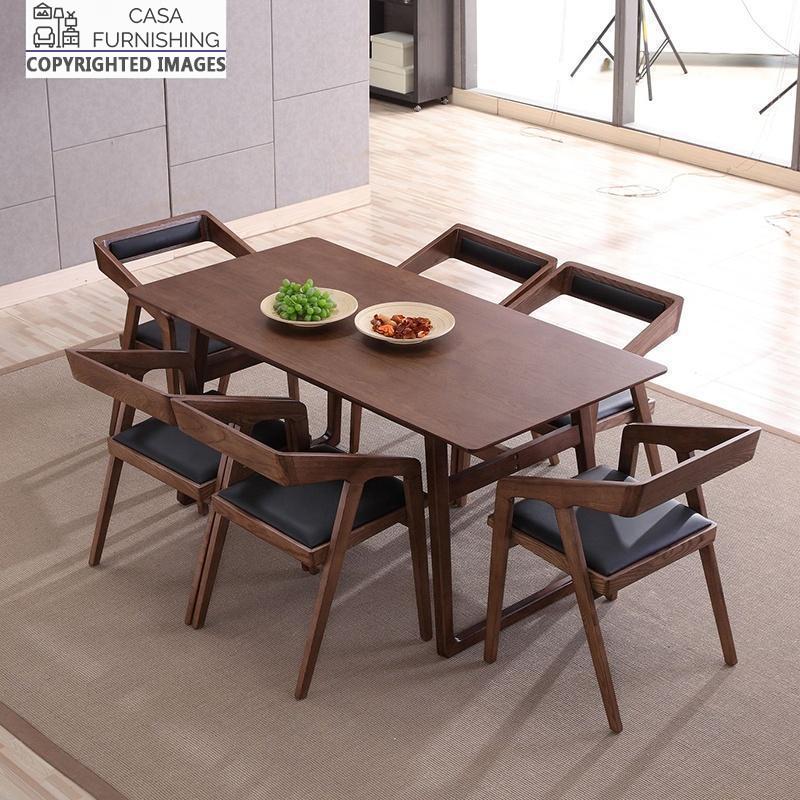
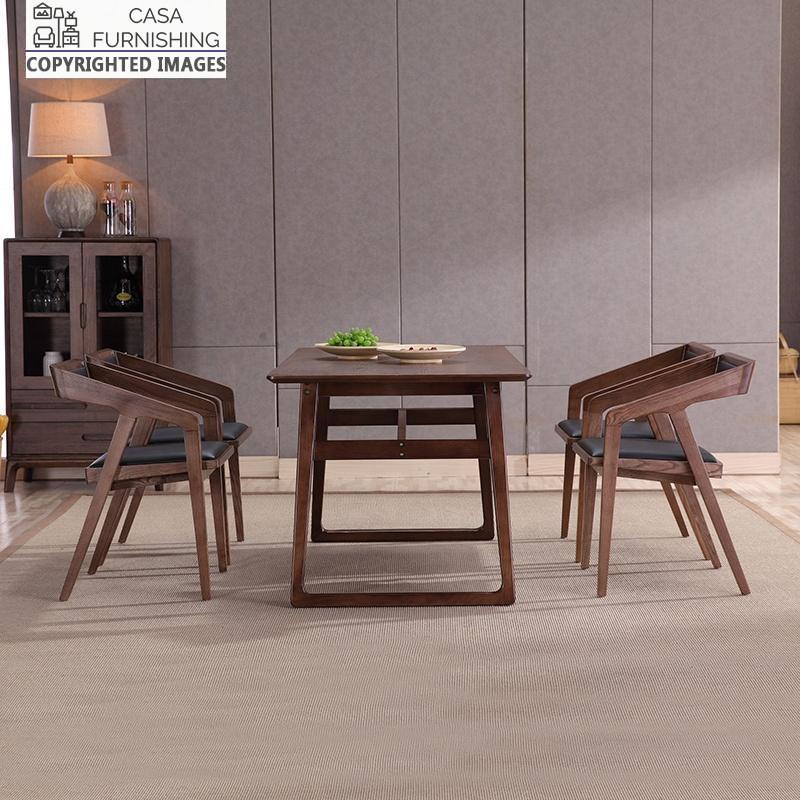
4 Seater Dining Table Sets
Solid Wood Dining Table Set | Wooden Dining Table and Chair | Sheesham Wood
Price range: ₹ 8,000.00 through ₹ 72,600.00
Sale!
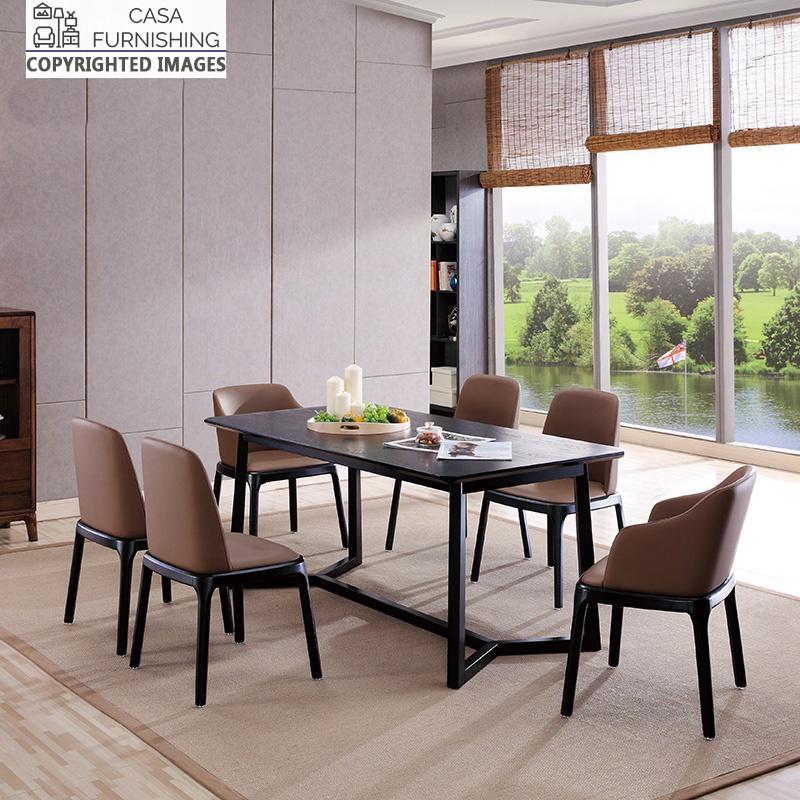

4 Seater Dining Table Sets
Dining Table Chair Design | Wooden Dining Table and Chairs in All Sizes | Sheesham Wood
Price range: ₹ 8,000.00 through ₹ 69,300.00
Sale!


4 Seater Dining Table Sets
Dining Table Set | Wooden Dining Table Set | All Sizes | Sheesham Wood
Price range: ₹ 7,000.00 through ₹ 52,140.00
Sale!
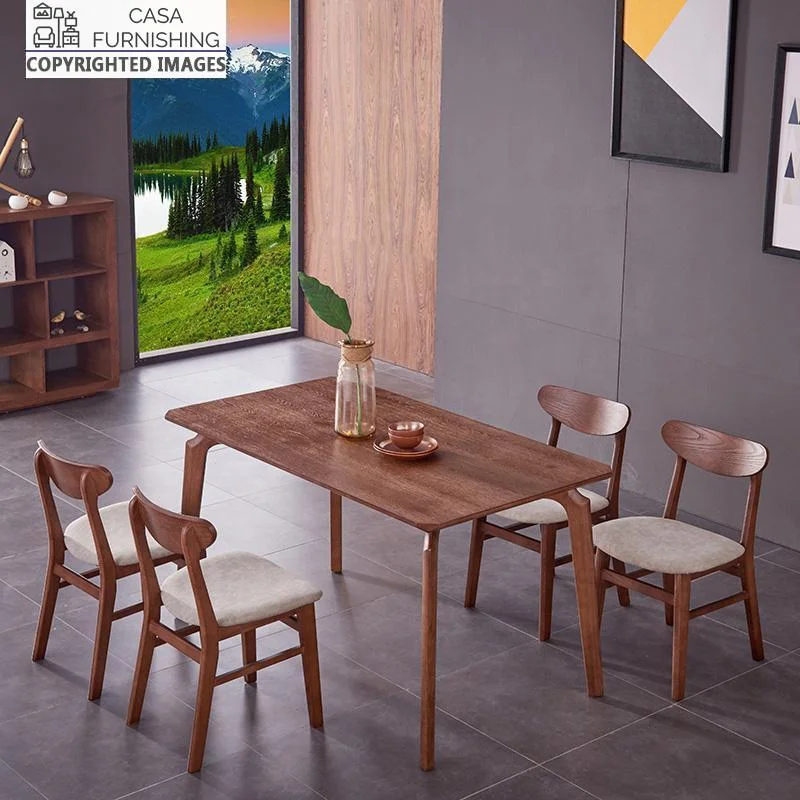

4 Seater Dining Table Sets
Modern Dining Table Set | Wooden Dining Table Price for All Sizes | Sheesham Wood
Price range: ₹ 7,500.00 through ₹ 51,980.00
Sale!
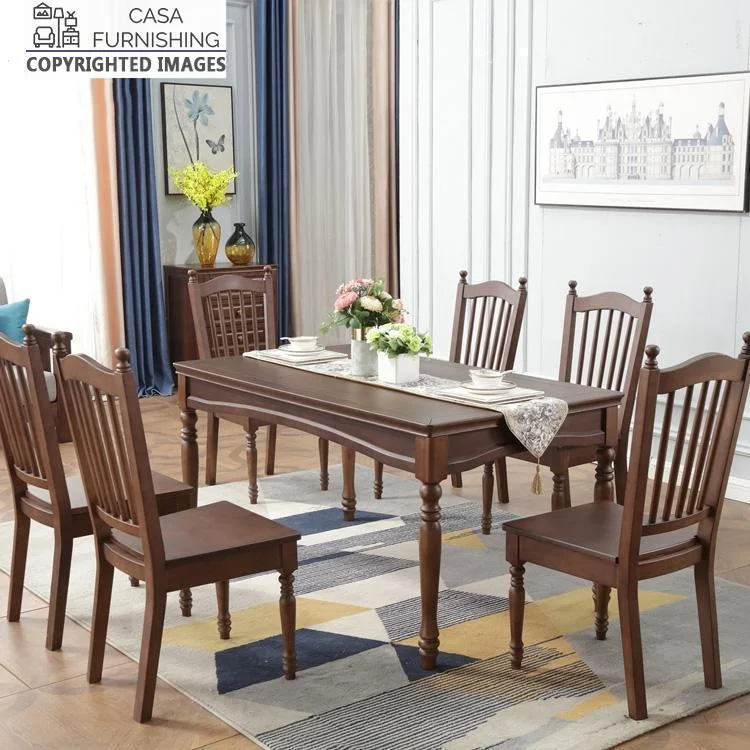
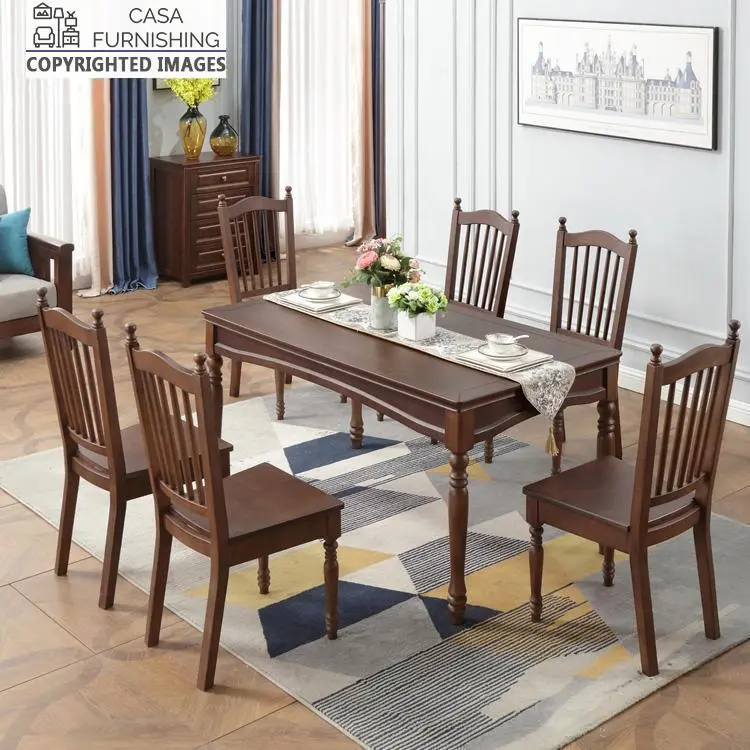
4 Seater Dining Table Sets
Dining Table Set in Indian Style | All Sizes | Sheesham Wood
Price range: ₹ 7,250.00 through ₹ 61,050.00
Sale!


4 Seater Dining Table Sets
Modern Dining Set | Contemporary Dining Table Set | Sheesham Wood
Price range: ₹ 8,000.00 through ₹ 69,300.00
Sale!


4 Seater Dining Table Sets
Price range: ₹ 8,000.00 through ₹ 67,650.00
Sale!


4 Seater Dining Table Sets
Stylish Modern Dining Set | Dining Table Set Price | All Sizes
Price range: ₹ 7,000.00 through ₹ 56,760.00
The Evolution of Gathering: More Than Just a Simple Dining Table Design
In the vast, vibrant tapestry of Indian interior design, the dining table occupies a unique, almost sacred space. It is not merely a piece of furniture; it is the modern hearth, the gravitational center where the chaotic energy of the day dissolves into the rhythmic comfort of a shared meal. When we speak of a Simple Dining Table Design, we are not discussing a lack of ornamentation or a compromise on luxury. Rather, we are exploring a sophisticated design philosophy that privileges authenticity, connection, and the tactile honesty of materials over superfluous grandeur. In an era of visual noise, the "simple" table stands as a monument to clarity—a dedicated surface for the most human of rituals: nourishment and conversation.To truly appreciate the Modern Dining Table Design, one must first look back at our cultural lineage. Historically, the Indian dining experience was grounded—quite literally. The tradition of sitting on the floor, often cross-legged on a Paat or Asana, was rooted in Ayurvedic principles that believed such posture aided digestion and kept the body supple. As architecture evolved and the influence of colonial and global lifestyles permeated the Indian home, the dining surface rose from the floor to the table height we know today. However, the emotional core remained unchanged. The table became the new Chaupal, the meeting ground for the joint family. A simple design of wooden dining table today bridges this historical transition; it respects the need for modern ergonomics—protecting knees and backs—while maintaining the unpretentious, communal spirit of the traditional floor-seated meal. It is a vessel for heritage, reimagined for the contemporary apartment.Biophilic Resonance: Bringing the Forest to the Feast
In the architectural world, there is a concept gaining massive traction called "Biophilic Design"—the innate human tendency to seek connections with nature. This is where the choice of material becomes the single most critical factor in your dining room. A simple wood dining table design is the purest expression of this biological need. Unlike cold glass, sterile metal, or synthetic laminates, a solid wood table breathes. It possesses a thermal quality that feels warm to the touch, grounding the diner instantly. When you run your hand across the surface of a Casa Furnishing Sheesham wood table, you are not just touching furniture; you are connecting with the life cycle of a tree that stood for decades, weathering seasons to develop its dense, interlocking grain.This biophilic connection is scientifically proven to lower cortisol levels (stress markers) and improve psychological well-being. In the context of a dining room—often the site of morning rushes and evening debriefs—this calming influence is invaluable. A simple rectangular dining table crafted from genuine Sheesham acts as a "natural analogue," a design element that mimics the complexity and order of nature. The visible grain patterns, the knots, and the variations in color from golden honey to deep chestnut are not imperfections; they are nature's own calligraphy. By choosing a design that eschews heavy carvings or artificial veneers, you allow this natural beauty to take center stage. The "simple" design frame becomes a gallery wall for the wood itself, celebrating the organic material rather than suffocating it with man-made detailing.The "Simple" Aesthetic in a Complex World
The rise of the simple living modern dining table is also a direct response to the shrinking footprint of urban Indian homes. In Mumbai apartments, Bangalore lofts, and Delhi flats, space is a premium commodity. Here, "simple" translates to "smart." A design that is visually heavy, with bulbous legs or ornate skirts, consumes "visual volume," making a room feel claustrophobic. In contrast, a simple modern dining table with clean lines, tapered legs, and an uncluttered silhouette allows light and air to flow around it. It creates a sense of openness, a "breathing room" that is essential for a relaxing dining experience.Furthermore, the aesthetic of simplicity is timeless. Trends in interior decor oscillate wildly—from the maximalism of the 80s to the industrial harshness of the 2010s. However, a dining simple design rooted in minimalism and material quality never looks dated. It is a chameleon. Dress it up with a heavy brocade runner and brass candle stands, and it fits a festive Diwali dinner. Strip it bare to just the wood and a vase of fresh lilies, and it becomes a Zen-like breakfast station. This versatility is the hallmark of true authority in design. It does not scream for attention; it quietly anchors the room, providing a stable, reliable, and beautiful foundation for the life that happens around it. Whether you are looking for a compact 4-seater or an expansive Dining Set, the principle remains the same: the table should support the lifestyle, not dictate it.Key Takeaway: A simple dining table is an investment in "Visual Silence." In a world that is constantly vying for your attention, your dining room should be a sanctuary of calm, anchored by the warmth of real wood and the honesty of clean design.
The Engineering Beneath the Aesthetic: Why Material Matters
In the world of furniture manufacturing, there is an unwritten rule: the simpler the design, the superior the material must be. A Simple Dining Table Design has nowhere to hide. Unlike ornate pieces where structural flaws can be masked by heavy carving or thick lacquer, a minimalist table bares its soul. At Casa Furnishing, we exclusively utilize Sheesham Wood (Indian Rosewood) not merely for tradition, but for its exceptional "Material Physics." Understanding the technical properties of this timber explains why a simple wood dining table design from us is an heirloom, while a particle-board equivalent is merely a temporary fixture.The Janka Hardness Factor: Surviving the Indian Home
The primary metric for evaluating wood durability is the Janka Hardness Test, which measures the force required to embed a steel ball into the wood fiber. Sheesham wood scores an impressive 1,720 lbf (pounds-force) on this scale. To put this in perspective, it is significantly harder than Teak (approx. 1,070 lbf) and nearly double the hardness of Mango wood. For a simple modern dining table that sees daily abuse—heavy tiffins, sliding copper vessels, and the enthusiastic drumming of children’s cutlery—this hardness is non-negotiable. It means the surface resists denting and deep scratches that would otherwise mar the clean, flat planes of a simple rectangular dining table. The density of Sheesham, averaging about 750-800 kg/m³, provides the necessary dead weight, ensuring your table doesn't shift or wobble during use, a common failure in lighter, hollow-core alternatives.The Seasoning Science: Combating the "Warp"
One of the biggest fears with a simple design for dining table construction is "warping"—the bowing or twisting of the wood over time. This occurs when timber reacts to humidity changes, a constant reality in the diverse Indian climate. A truly durable dining simple design relies on rigorous chemical and kiln seasoning.At our manufacturing facility, raw Sheesham logs undergo a precise seasoning process to reduce their moisture content to an optimal 8-12%. This "locking" of the wood's cellular structure makes it hydrophobic (resistant to moisture absorption). In a Modern Dining Table Design where straight lines are paramount, this stability is critical. A warped plank on a rustic table might look "charming," but on a clean-lined modern table, it is a disaster. Our treatment ensures that whether you are in the humid coasts of Kerala or the dry heat of Rajasthan, the geometry of your simple design of wooden dining table remains mathematically perfect.| Property | Sheesham Wood (Casa Standard) | Engineered Wood / MDF |
|---|---|---|
| Structural Integrity | Unbroken grain chains (Natural Polymer) | Compressed fibers with glue binder |
| Load Bearing | High (Supports heavy stone inlays/glass) | Low to Medium (Sags over time) |
| Life Span | Generational (20-50+ Years) | Temporary (3-7 Years) |
Grain Architecture: Nature's Own Ornamentation
The visual appeal of a Wooden Dining Table Set lies in its "Heartwood" and "Sapwood" contrast. Sheesham is unique because its heartwood (the dense inner core) ranges from deep reddish-brown to dark chestnut, while the sapwood (outer layers) can be golden to pale yellow. In a simple dining table design wood application, we carefully select planks to highlight this interplay.We employ a technique known as "book-matching" or continuous grain alignment for our table tops. Because the design is simple, the grain acts as the primary visual interest. It eliminates the need for artificial laminates. When you look at a simple round table design, the concentric rings of the tree tell a story of growth, adding a layer of organic texture that synthetic materials cannot replicate. This natural variegation also means that stains and scratches blend into the pattern rather than standing out as defects, making the simple kitchen table design forgiving of everyday wear.Finally, the "finish" is not just cosmetic; it is a protective sealant. We use premium polyurethane and lacquer finishes that bond with the wood fibers. This enhances the simple dining set design by popping the grain contrast while creating a heat-resistant shield (up to a certain degree) against hot serving bowls, though we always recommend coasters for longevity.The Geometry of Comfort: Dimensions, Layouts, and Ergonomics
A beautiful table that doesn't fit your room is not a centerpiece; it is an obstacle. When selecting a Simple Dining Table Design, the "simplicity" must extend to how the piece functions within your architectural footprint. This section is your technical blueprint. Before you fall in love with a finish or a grain pattern, you must validate the mathematics of your dining space. In interior design, we refer to this as "Spatial Ergonomics"—the science of interaction between human movement and furniture density.The Golden Rules of Measurement: The "Elbow Room" Standard
The difference between a cramped meal and a luxurious dining experience often comes down to inches. Regardless of whether you choose a Round Dining Table or a rectangular one, specific anthropometric standards apply. The universal standard for "elbow room"—the width required for one person to eat comfortably without bumping their neighbor—is **24 inches (61 cm)**. However, for a truly relaxed setting, we recommend aiming for **28 to 30 inches** per person.Depth is equally critical. A standard dining table needs to be at least **36 inches (91 cm)** wide to accommodate two place settings opposite each other with enough room in the center for serving dishes. If you frequently host large Indian feasts with multiple serving bowls (Handis, Kadhai), a **simple rectangular dining table** with a width of 40-42 inches is superior. This central "trivet zone" prevents the table from feeling cluttered, maintaining the "simple" aesthetic you desire. If the table is too narrow, the clutter destroys the minimalist vibe; if it is too wide (over 48 inches), conversation across the table becomes shouting, losing intimacy.Selecting the Right Capacity: Matching Lifestyle to Footprint
1. The Urban Compact (4-Seater): For modern apartments in metros like Mumbai or Bangalore, the 4 Seater Dining Table Set is the default choice. A square 4-seater (approx 36" x 36" or 40" x 40") creates a cozy, symmetrical dining island. However, a rectangular 4-seater (approx 48" x 30") often works better in narrow dining nooks, allowing one end to be pushed against a wall when not in use. This flexibility is the hallmark of a simple kitchen table design.2. The Family Standard (6-Seater): The 6 Seater Dining Table Set is the most versatile configuration for the average Indian family. Typically measuring 60" to 72" in length, it balances daily intimacy with weekend hospitality. In a simple modern dining table style, look for legs that are pushed to the extreme corners. This "corner-leg" configuration maximizes the usable space underneath, ensuring that the person sitting in the middle doesn't have to straddle a table leg—a common ergonomic failure in pedestal designs.3. The Grand Gathering (8-Seater): For joint families or those who entertain frequently, the 8 Seater Dining Table Set is a command center. These tables span 84" to 96". Here, the "Visual Weight" becomes crucial. An 8-seater with heavy, carved legs can make a room feel like a furniture warehouse. A simple design of wooden dining table with sleek, tapered legs reduces this visual bulk, making the massive piece of furniture feel lighter and less imposing.Shape Dynamics: Rectangular vs. Round
The shape of your table dictates the flow of the room. A simple rectangular dining table mirrors the geometry of most dining rooms, which are usually rectangular. It defines the axis of the room and provides a clear head of the table, often preferred in traditional hierarchies.Conversely, a simple round table design is a "social equalizer." It has no head, fostering better conversation where everyone can see everyone else. From a spatial perspective, round tables are problem solvers for tight, square rooms. They eliminate sharp corners—a significant "flow" advantage in high-traffic areas or homes with active toddlers. A 48-inch round table can often seat 5 people comfortably in a pinch, whereas a square table is strictly limited to 4.The Vertical Equation: Chair & Table Synergy
The relationship between your Dining Table Chairs and the table top is the single most important factor for comfort. Standard dining table height is **30 inches**. Standard seat height is **18 inches**. This leaves a critical **12-inch clearance** (the "lap zone").When exploring a simple dining table chair design, ensure the backrest angle supports a relaxed posture (approx 100-110 degrees), not a stiff 90 degrees. Furthermore, consider the "Apron" (the wooden panel beneath the table top that connects the legs). In some ornate designs, a thick apron eats into the lap zone, trapping your thighs. Casa Furnishing’s simple wood dining table design prioritizes a slim yet strong apron or apron-less metal reinforcement, guaranteeing that guests of all heights can cross their legs comfortably underneath.Pro-Tip (The Walkway Rule): Never guess the clearance. You need a minimum of 36 inches between the table edge and the nearest wall or buffet to allow a diner to slide their chair back and stand up. For a service walkway (where someone can walk behind a seated diner), you need 48 inches. If your room is tight, consider a "Bench" on one side. A bench creates a visual opening and can be tucked fully under the table when not in use, a staple trick in simple dining set design.
The Aesthetic Spectrum: Defining "Simple" in a Complex World
There is a profound misconception in interior design that "simple" equates to "plain." In reality, simplicity is the ultimate sophistication. When you strip away the heavy carvings, the brass inlays, and the cabriole legs of the Victorian era, what remains must be perfect. A Simple Dining Table Design relies entirely on proportion, line, and the inherent drama of the material. At Casa Furnishing, we categorize "Simplicity" into distinct architectural dialects, each speaking to a different interior personality while maintaining that essential, uncluttered ethos.The Scandi-Indian Fusion: Modern Minimalism
The most sought-after archetype today is the modern simple dining table design. Heavily influenced by the mid-century modern movement and Scandinavian practicality, this style is characterized by "floating" forms. The tabletops are often chamfered (beveled at the edge) to appear thinner and lighter than they actually are, defying the visual weight of the solid Sheesham wood.In this category, legs are rarely just straight pillars. They are often tapered—starting thick at the apron for structural rigidity and narrowing as they reach the floor. This "Pencil Leg" or "Cigar Leg" design creates a sense of airiness, making a simple living modern dining table feel like it is hovering rather than planting itself heavily in your room. This is the ideal choice for contemporary Indian apartments where floor space is visible and valuable. By elevating the mass of the furniture, we trick the eye into perceiving the room as larger, a critical strategy in the Latest Dining Table Design trends.The "Thick-Cut" Rustic: Contemporary Solidity
On the other end of the spectrum is the "Block" or "Parsons" style. This is a simple rectangular dining table that celebrates mass. Here, the legs are square and flush with the corners of the table, creating a cube-like negative space underneath. This is simplicity with muscle. It appeals to those who want their Contemporary Dining Table Design to feel like a permanent architectural feature of the home.This style often employs "Breadboard Ends"—a construction technique where the ends of the table are capped with a perpendicular piece of wood. While aesthetically pleasing, adding a farmhouse charm, technically it allows the main planks to expand and contract with seasonal humidity without cracking. It is a perfect marriage of a simple dining table design wood aesthetic and engineering necessity.The Psychology of Finish: Honey, Walnut, and The "White" Myth
The finish of your table dictates the mood of your dining room. It is not just a color; it is a filter through which light interacts with the grain.- The Honey Finish (Golden Oak): This is the optimist’s choice. A honey finish preserves the natural, chaotic beauty of Sheesham’s dual-tone grain. It reflects light, making a dark dining corner feel sunny and vibrant. In a simple design of wooden dining table, a honey finish highlights every knot and whorl, making the wood itself the artwork. It pairs exceptionally well with vibrant Indian textiles and warm lighting.
- The Walnut Finish (Dark Coffee): Darker finishes exude formality and luxury. A walnut finish unifies the grain, reducing the visual "noise" of the wood patterns for a sleeker, more uniform look. It grounds the space. If you are aiming for a dramatic, moody dining room with focused spot-lighting, a walnut-finished simple dining set design provides the necessary gravity.
- The "White" Debate: We often see searches for a simple living modern dining table white. While painted white tables (often MDF or low-grade pine) are common in fast-fashion furniture, they are catastrophic for Indian dining conditions. Turmeric stains, heat rings, and chipping paint ruin the pristine look within months. At Casa Furnishing, we interpret "lightness" not through paint, but through "Natural" or "Stone" finishes that strip away yellow undertones, leaving the raw, organic beige-grey of the timber. This offers the Scandi-white aesthetic without sacrificing the durability of solid hardwood.
The Tactile Typography: Edges and Texture
In a simple modern dining table, the edge profile is the handshake of the furniture—it’s the first thing your fingers touch as you pull up a chair.1. The Bullnose Edge: A fully rounded edge that softens the silhouette. It is kid-friendly and evokes a softer, more organic feel, often found in our Round Dining Table collections.2. The Chamfered (Beveled) Edge: An undercut edge that catches the light, creating a slim shadow line. This is the hallmark of the "Modern" style, adding a touch of geometric precision to the warm wood.3. The Live Edge (Wany Edge): Occasionally, we incorporate the tree’s natural bark line into the design. While technically "rustic," when paired with sleek metal legs, it becomes a stunning piece of modern simple dining table design—a literal slice of the forest in your dining room.The Dining Ecosystem: Creating a Cohesive Habitat
A simple dining table design never exists in isolation. It is the sun in a solar system of furniture, and for the room to "work," the gravitational pull between pieces must be balanced. In interior design, this is called "Cluster Theory." You aren't just buying a table; you are curating a zone.The Supporting Cast: Buffets and Cabinets
The greatest enemy of a simple modern dining table is clutter. Ketchup bottles, pickle jars, and placemats left on the table destroy the minimalist aesthetic you paid for. The solution lies in immediate, accessible storage.Pair your dining table with a Living Room Cabinet or a dedicated sideboard. Ideally, the height of your sideboard should match or slightly exceed the table height (30-34 inches) to create a continuous visual horizon. For smaller homes where the dining area merges with the kitchen, a Kitchen Cabinet in matching Sheesham wood bridges the gap, allowing you to store heavy crockery away from the delicate dining surface. The rule of thumb: If your table legs are thin and tapered, choose a cabinet with a solid base (plinth) to ground the room. If your table is heavy and blocky, choose a cabinet on raised legs to restore airiness.The Mix-and-Match Revolution: Chairs
Gone are the days when the Dining Table Chairs had to be identical clones of the table. The current trend in simple dining set design is "Curated Incoherence."Try placing two upholstered "Captain’s Chairs" at the heads of a simple rectangular dining table for drama, while keeping the side chairs sleek and wooden. Or, introduce a bench on one side. A bench is not just a space-saver; it visually lowers the room's center of gravity, making your ceiling feel higher. It transforms a formal eating spot into a casual, communal simple kitchen table design where kids can do homework or friends can squeeze in for tea.The Energy Blueprint: Vastu Shastra for Dining
In the Indian context, the placement of the dining table is often governed by Vastu Shastra, the ancient science of architecture. A simple design for dining table is actually preferred in Vastu over irregular shapes.- Shape: Vastu strictly advises against oval, irregular, or triangular tables, as they are believed to create unstable energy. A square or simple rectangular dining table represents stability (Earth element) and equality among family members.
- Orientation: The ideal dining zone is in the West or South-West direction of the home. However, while eating, facing East (towards the rising sun) or North is considered beneficial for digestion and health.
- Material: Wood is considered the most auspicious material for dining, representing life and growth. Metal is considered too cold/conductive, and glass is considered too fragile/transparent (lacking support). Thus, a simple design of wooden dining table is not just an aesthetic choice, but a spiritual one, grounding the family's energy.
- Reflection: It is considered auspicious to have a mirror reflecting the dining table, as it symbolically "doubles" the food and abundance of the household.
The Custodian's Guide: Preserving Your Investment
Owning a solid Sheesham wood Simple Dining Table Design is akin to owning a living entity. Unlike plastic or metal, wood interacts with its environment. It breathes. To ensure your table transitions from a purchase to a multi-generational heirloom, it requires specific, though minimal, stewardship. This "Owner's Manual" is derived from our decades of manufacturing experience, designed to help you navigate the unique challenges of the Indian climate.Protocol A: The Moisture & Heat Defense
The greatest threat to a simple wood dining table design is not physical impact, but thermal shock. Placing a hot Kadhai or pressure cooker directly onto the wood surface causes the microscopic moisture within the timber’s cells to expand rapidly, leading to "white haze" rings or, in severe cases, hairline cracks.The Rule: Always use trivets or mats with a felt or cork backing. Avoid plastic mats, as they can trap heat and humidity against the wood finish. For a simple modern dining table with a polyurethane finish, spills must be wiped immediately. Water left standing for more than 10 minutes can permeate the lacquer, causing the grain to swell and the surface to bubble.Protocol B: The Sunlight Factor
Sheesham wood is photosensitive. Prolonged exposure to direct, harsh sunlight (common in rooms with large south-facing windows) will cause the rich, dark honey tones of your simple rectangular dining table to fade or bleach over time. This is often uneven, affecting only the parts of the table not covered by runners or centerpieces. We recommend using sheer curtains to diffuse the light, bathing your dining room in a soft glow that protects the wood’s melanin while maintaining the ambiance.Protocol C: The Polishing Schedule
Avoid silicone-based commercial sprays (like Colin) for daily cleaning; they create a sticky buildup that attracts dust. Instead, use a soft, slightly damp microfiber cloth. Every 6 months, treat your simple design of wooden dining table with a high-quality beeswax paste. This nourishes the wood fibers, preventing them from becoming brittle in dry summers, and restores the lustrous depth of the grain, keeping your dining simple design looking showroom-fresh.The Manufacturer's Mega FAQ: Your Questions Answered
1. Can I customize the dimensions of a simple dining table design?
Yes. As manufacturers, we can alter the length and width to fit your specific niche. However, we generally advise sticking to standard heights (30 inches) for ergonomic compatibility with standard chairs.2. Is a glass top recommended for a simple wood dining table design?
While we sell Wooden Dining Table Set units that are pure wood, adding a custom-cut tempered glass top is a great way to protect the surface from spills without hiding the grain beauty.3. How does Sheesham compare to Teak for a simple design of dining table?
Teak is excellent for outdoor furniture due to its high oil content. Sheesham is harder and denser, making it superior for indoor heavy-use furniture like dining tables. It also offers more dramatic grain patterns at a better price point.4. Will the table color match the photos exactly?
Wood is a natural product. Variations in grain pattern and color absorption are the hallmarks of authenticity. Your table will be a close sibling to the photo, not a clone.5. What is the delivery timeline for a custom simple modern dining table?
Standard designs ship within 5-7 days. Custom orders typically require 15-20 days for manufacturing, seasoning, and quality checks.6. Does the table require assembly?
Most of our tables are designed with "Knock-Down" legs for safe transport. Assembly is simple—usually just bolting the legs to the frame using the provided tool. We provide instruction manuals with every unit.7. Is the wood treated for termites?
Absolutely. Every plank goes through a chemical treatment process during seasoning to make it termite and borer resistant before it is even cut.8. Can I buy just the table without the chairs?
Yes, you can purchase a standalone simple dining table design. This is perfect if you want to mix and match with your existing seating.9. What if I have a very small dining area?
Consider a Dinette Table or a round table. These maximize flow in tight spaces.10. Do you offer EMI options?
Yes, we offer various payment options including EMI to make investing in quality furniture easier.11. How do I fix minor scratches?
For minor surface scratches, a touch-up marker or a bit of walnut meat (rubbed into the scratch) can work wonders. For deep scratches, professional refinishing is recommended.12. What is the weight capacity of a 6-seater table?
Our solid wood tables can easily support 80-100kg+, allowing for heavy marble serve-ware or decorative statues.13. Is the finish heat resistant?
It is heat resistant to a degree (hot coffee cups are fine), but not heat proof. Always use coasters.14. Can I use a simple dining table as a workspace?
Yes! The stable, flat surface of a simple rectangular dining table makes it an excellent work-from-home station. Just be sure to use a desk mat to prevent pen indentations.15. What is the return policy?
We have a transparent return policy for manufacturing defects. Please check our specific policy page for details on transit damages.