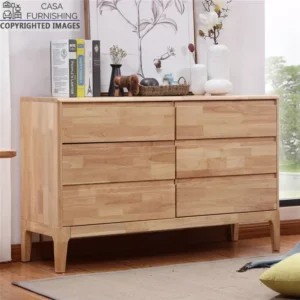
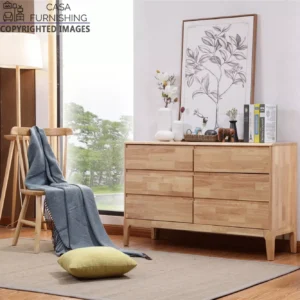
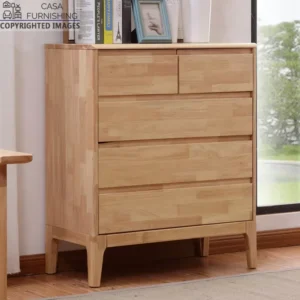
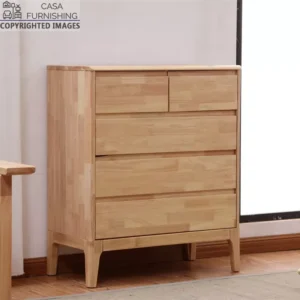
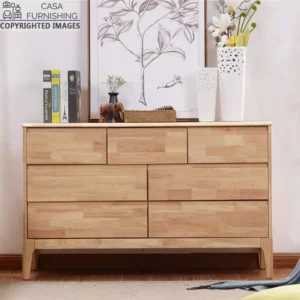
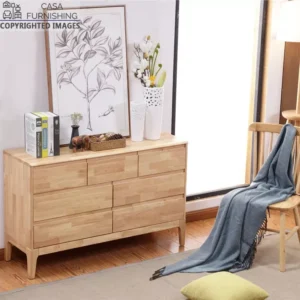
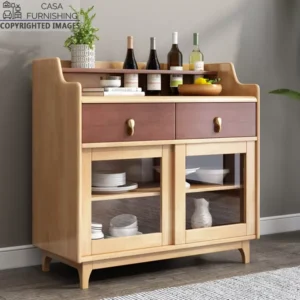
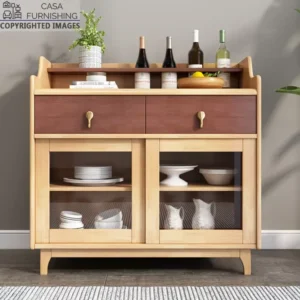
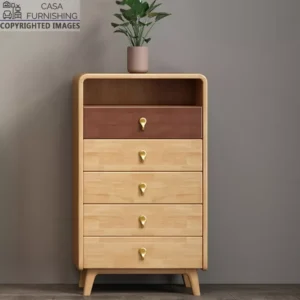
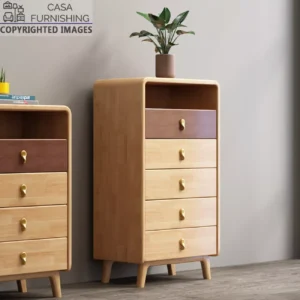
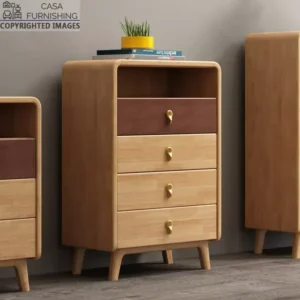
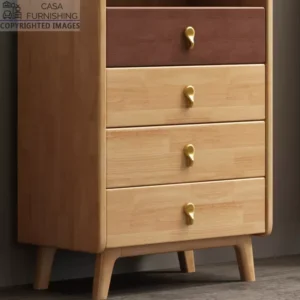
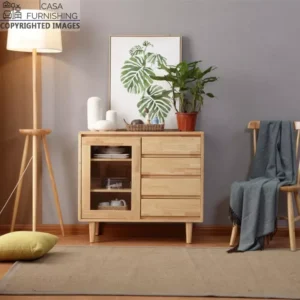
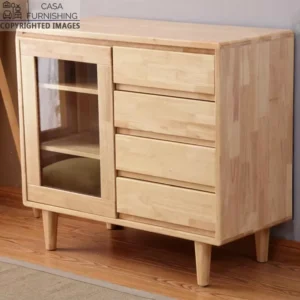
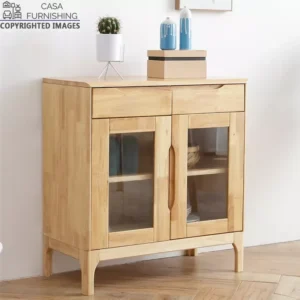
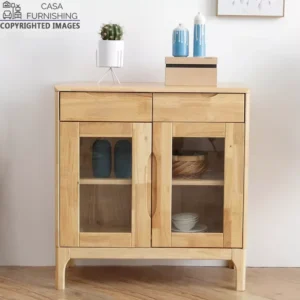
Enhance your hallway or kitchen with Casa Furnishing's stylish sideboardsand modern sideboard cabinets. Explore our collection of versatile sideboards, perfect for adding storage and style to any space. Discover the ideal sideboard design to complement your home decor and organize your belongings effortlessly.
In the tapestry of Indian interior design, few pieces of furniture bridge the gap between utility and artistry as seamlessly as the sideboard. Often underestimated as merely a peripheral storage unit, the modern sideboard—historically known as a buffet or credenza—has evolved into the anchor of the contemporary home. At Casa Furnishing, we believe that a solid wood sideboard is more than just a place to stow away fine china or linens; it is a statement of heritage, a "quiet protagonist" that defines the character of your living room cabinet ecosystem or dining area. Whether acting as a sophisticated media console in a Mumbai apartment or a traditional crockery unit in a spacious Delhi bungalow, the sideboard offers a versatile canvas for your lifestyle.
From Buffet to Credenza: A Cultural Evolution
The terminology surrounding this piece can often be confusing. Historically, the distinction lay in the room of residence and the height of the legs. The buffet was the dining room stalwart, standing on taller legs to facilitate the serving of food during grand feasts. The credenza, with its Italian roots, was a lower, sleek profile piece often found in hallways or administrative spaces. Today, in the context of the modern Indian home, these lines have blurred. The wooden sideboard has emerged as the universal term, encompassing everything from a cabinet for storing heavy heirlooms to a display surface for your favorite artifacts.
In India, where furniture is often passed down through generations, the sideboard replaces the built-in wall almirah of the past, offering movable, adaptable storage that travels with the family. A dining set is arguably incomplete without its companion sideboard to hold the overflow of festivity—be it silver cutlery or festive sweets.
Biophilic Design: Anchoring Your Home in Nature
As we move towards 2025, the global design language is shifting heavily towards Biophilic Design—the innate human tendency to seek connections with nature. In an era of concrete high-rises, bringing the outdoors in is no longer a luxury; it is a necessity for mental well-being. This is where the material integrity of our product shines. Unlike synthetic laminates or cold metals, a Sheesham wood sideboard introduces a living, breathing element into your space.
Sheesham (Indian Rosewood) is celebrated not just for its durability but for its rich, unpredictable grain patterns that mimic the flow of natural landscapes. Placing a hand-crafted Sheesham unit in your foyer or dining room acts as a "grounding" element, reducing visual stress and adding warmth. When you run your hand across the surface of a Casa Furnishing sideboard, you aren't just touching furniture; you are connecting with a piece of the forest, expertly seasoned and shaped to serve your home for decades. This harmonious blend of organic beauty and rigid function is what makes the wooden sideboard an indispensable asset in modern interior architecture.
Part 2: The Material Science of Sheesham
When investing in a solid wood sideboard, you are essentially purchasing a piece of organic engineering. Unlike the engineered wood or particle board often found in disposable furniture, which relies on chemical binders and veneers for stability, a Casa Furnishing sideboard relies on the cellular integrity of the timber itself. For a piece of furniture designed to bear the significant dead load of ceramic crockery, heavy glass serve ware, and often a television set, the choice of wood is not merely aesthetic—it is structural. This is why we exclusively champion Sheesham wood (Dalbergia sissoo), a timber that provides the perfect equilibrium between workability for our artisans and diamond-hard durability for your home.
The Janka Hardness Scale: Why It Matters for Storage
To understand why a Sheesham wood sideboard is superior to alternatives like Mango or Pine, we must look at the Janka Hardness Test. This industry-standard measurement determines the resistance of a sample of wood to denting and wear. It measures the force required to embed an 11.28mm steel ball halfway into the wood's grain.
Sheesham typically scores between 1,660 and 1,780 lbf (pound-force) on this scale. In comparison, Mango wood often hovers around 1,070 lbf, and Teak around 1,000-1,155 lbf. Why does this technical metric matter for a dining room sideboard? Consider the daily abuse a sideboard top endures: heavy serving dishes being dragged across it, keys tossed onto the surface in a hallway, or the constant friction of opening and closing loaded drawers. Sheesham's high Janka rating means it is naturally resistant to these everyday micro-aggressions. It doesn't just resist scratching; it resists deep denting, ensuring that the structural integrity of the cabinet legs and top remains uncompromised even under the weight of a full wooden dining table set's worth of crockery.
Density and The "Anti-Topple" Stability
A frequently overlooked aspect of sideboard safety is the unit's center of gravity. A natural wood sideboard made from Sheesham is incredibly dense. This high density provides a low center of gravity, which is a critical safety feature for households with children or pets. Unlike lighter plywood units that might tip forward when a heavy drawer is pulled out fully, the sheer mass of a solid Sheesham chassis anchors the unit to the floor. This natural weightiness conveys a sense of permanence and quality that lightweight substitutes simply cannot mimic. When you close the door of a Casa Furnishing cabinet, you hear a solid "thud," not a hollow rattle—an auditory signature of density and quality construction.
Seasoning Science: Combatting the Indian Climate
The greatest enemy of any wooden sideboard cabinet is moisture fluctuation. In India, where humidity levels can swing from the dryness of a Delhi summer to the saturation of a Mumbai monsoon, wood is under constant stress. Wood is hygroscopic; it absorbs and releases moisture from the air, causing it to expand and contract. If a sideboard is made from unseasoned wood, this movement leads to "sticky drawers" that won't open, warped doors that won't shut, or worse, structural cracking.
At Casa Furnishing, our material science protocol involves rigorous Kiln Drying. We slowly bake the raw timber in controlled ovens to reduce the moisture content (MC) to a precise stable range of 8% to 12%. This process "locks" the cellular structure of the wood, making it significantly more inert to environmental changes. We season our timber specifically for the micro-climate of a kitchen cabinet or dining area, where steam and heat are common. This ensures that the gaps between your sideboard doors remain consistent year-round, preserving the clean, linear aesthetic of your modern sideboard.
The Aesthetics of Heartwood vs. Sapwood
Finally, the science of Sheesham contributes to its undeniable beauty. The tree produces two distinct types of wood: the dark, dense inner core known as Heartwood, and the lighter, outer layer called Sapwood. A walnut sideboard finish on Sheesham is particularly stunning because the wood's natural grain absorbs stains differentially. The dense heartwood takes on a deep, chocolatey hue, while the sapwood remains lighter, creating the signature "flame" patterns or "interlocking grain" that Sheesham is famous for. On the large, uninterrupted front panels of a sideboard, this natural variation becomes a piece of art in itself, ensuring that no two pieces are ever identical.
Part 3: Configuration Guide - Dimensions & Ergonomics
Selecting the correct sideboard storage cabinet is an exercise in spatial geometry. A unit that is too deep will choke your walkway; one that is too shallow will fail to hold standard dinner plates. At Casa Furnishing, we have optimized our dimensions based on the standard footprint of urban Indian apartments and spacious villas alike. This guide will help you navigate the ergonomics of your purchase to ensure seamless integration into your living room cabinet layout or dining zone.
The "Golden Zone" of Height: 30 to 36 Inches
The standard height for a dining room sideboard falls between 30 and 36 inches (approx. 76-91 cm). This is not arbitrary. This height aligns with the standard dining table height (30 inches), creating a continuous visual horizon line across the room.
Buffet Height (34-36 inches): Slightly taller units are ideal for serving food buffet-style. This height allows an average adult to serve dishes comfortably while standing, without stooping.
Credenza Height (30-32 inches): Lower units work best when placed under a mounted TV or large artwork. They ground the wall decor without competing for vertical dominance.
Depth Dynamics: The Plate Test
Depth is the most critical dimension for functionality. A standard dinner plate in India has a diameter of 11-12 inches. Therefore, a functional kitchen sideboard cabinet must have an internal depth of at least 14 inches to accommodate stacks of plates and closing doors without collision.
Our sideboards and buffets typically feature an external depth of 16 to 18 inches. This "sweet spot" ensures ample storage for large serving platters and wide bowls while maintaining a slim enough profile to not obstruct traffic flow. In a hallway setting, where every inch of width counts, a cupboard for hallway usage should ideally stick to the slimmer 16-inch end of the spectrum to prevent the "tunnel effect" in narrow corridors.
Layout Strategy: The 60-Centimeter Rule
When placing your side board near a dining table, you must respect the "circulation zone." We recommend leaving a minimum clearance of 60 cm (approx. 24 inches) between the edge of your dining table (or the back of a pulled-out chair) and the front of the sideboard. This allows a person to walk behind a seated diner to access the cabinet drawers.
If you are using the unit as a bar unit or beverage station, consider increasing this clearance to 90 cm to allow for a "bartending zone" where guests can gather without crowding the seated dining area.
Storage Configurations: Drawers vs. Doors
The internal architecture of your sideboard dictates its utility.
For a truly versatile sideboard cabinet for living room use, a "hybrid" configuration—featuring a row of top drawers for small items and lower cabinets with adjustable shelves for bulkier items—is often the wisest choice. This setup mirrors the utility of a kitchen sideboard, bringing that high-efficiency organization into your social spaces.
Part 4: Design Archetypes & Aesthetic Integration
A sideboard cabinet is rarely a solitary entity; it is a dialogue partner to your dining table, a counterpoint to your sofa, or a visual anchor in a sprawling hallway. In the realm of high-end interior design, the aesthetic success of a room often hinges on how well "peripheral" furniture like sideboards complement the "core" pieces. At Casa Furnishing, we design our collections to traverse the spectrum from the nostalgia of British Colonial India to the sharp, geometric clarity of 21st-century minimalism. Understanding these design archetypes is crucial to selecting a piece that doesn't just fit your space, but elevates it.
The Modern Minimalist: "Less is More"
The modern sideboard is defined by what it lacks: ornamentation. Drawing heavy inspiration from the Mid-Century Modern movements of the 1950s, these pieces prioritize silhouette over decoration. If your home features a modern dining table design with glass tops or sleek metal legs, a heavy, carved cabinet will look out of place.
Instead, look for sideboards featuring tapered legs (pencil legs) that elevate the heavy wooden chassis off the floor. This "floating" effect is critical in smaller urban apartments as it exposes more floor space, tricking the eye into perceiving the room as larger than it is. A contemporary sideboard often utilizes "handle-less" push-to-open technology or recessed grooves, maintaining an uninterrupted facade of grain that celebrates the sheer beauty of the Sheesham wood without the visual interruption of hardware.
The Heritage Classic: Jali Work & Brass
Conversely, for homes that celebrate traditional Indian craftsmanship, the "Modern" look can feel too sterile. Here, the traditional sideboard reigns supreme. These pieces are often characterized by robust plinth bases (no legs) that sit flush with the floor, conveying a sense of monumental permanence.
The hallmark of this style at Casa Furnishing is the incorporation of Jali (Lattice) work. Historically used in Indian architecture to filter sunlight and air, Jali cutouts on sideboard doors serve a dual purpose: they add intricate visual texture and allow for ventilation—perfect for a crockery unit storing linens that need to breathe. Paired with antiqued brass knobs or iron ring pulls, these units are not just furniture; they are heirlooms. They pair exceptionally well with a heavy wooden dining table set that features turned legs or carved detailing.
The Finish Guide: Honey, Walnut, or Teak?
The "personality" of a solid wood sideboard is largely dictated by its finish. Because Sheesham is a porous hardwood, it accepts stains with remarkable depth. Choosing the right finish is about managing the "visual temperature" of your room.
1. The Honey Finish (Casual & Warm)
A golden-amber hue that highlights the dramatic contrast between Sheesham's heartwood and sapwood. This finish is energetic and casual, perfect for a bustling breakfast nook or a family-centric living room sideboard. It reflects light, making spaces feel sunnier and more open.
2. The Walnut Finish (Formal & Sophisticated)
A deep, chocolate brown that unifies the grain. A walnut sideboard exudes luxury and formality. It is the preferred choice for formal dining rooms or executive home offices. It pairs beautifully with metallic accents like gold or brass lamps.
3. The Stone/Grey Finish (Trend 2025)
For the ultra-modern or "Industrial Chic" home, a black sideboard or grey-wash finish offers a dramatic, masculine edge. This suppresses the grain pattern slightly to focus on the architectural form of the furniture, making it a favorite for bachelor pads or studio lofts.
The Rise of Mixed Materials: Wood, Cane & Metal
A surging trend in the Indian market is the Boho-Fusion aesthetic, which blends solid wood frames with natural cane or rattan webbing. A sideboard with cane door inserts offers the best of both worlds: the structural durability of a wood sideboard cabinet with the airy, tropical vibe of wicker.
This "mixed media" approach prevents a room from looking too "heavy" or wood-dominated. If you already have a contemporary dining table design that is wood-heavy, opting for a sideboard with cane, glass, or metal accents breaks the monotony. It introduces texture—a critical element in professional interior design—creating a layered, curated look rather than a "showroom set" appearance.
Part 5: The Interior Ecosystem & Vastu Compliance
A masterpiece does not exist in a vacuum, and neither should your sideboard cabinet. In professional interior design, we view the home as a series of "Ecosystems"—clusters of furniture that interact functionally and aesthetically. A sideboard is the ultimate "connector" piece; it bridges the gap between the dining zone and the living area, or the entryway and the main hall. At Casa Furnishing, we encourage you to think beyond the standalone purchase and visualize how this storage unit will converse with your existing furniture family.
The Dining Room Symphony: The "Triad" Rule
The most natural habitat for a dining room credenza is, of course, the dining room. However, a common mistake is matching the wood finish perfectly while ignoring the "Visual Weight" ratio. If you own a heavy, block-style wooden dining table set, pairing it with an equally heavy, floor-standing sideboard can make the room feel claustrophobic and "boxy."
The Design Solution: Create contrast. If your dining set is visually heavy (thick legs, solid back chairs), opt for a sideboard with legs or glass-fronted doors to introduce "negative space." Conversely, if you have a modern glass-top table or a streamlined 6 seater dining table set, a robust, solid Sheesham buffet table can act as the grounding anchor the room desperately needs. This interplay of heavy and light creates a dynamic, professionally curated look.
The Living Room Continuum: TV Units & Sideboards
In open-plan Indian apartments, the line between the living room and dining area is often invisible. Here, your sideboard cabinet for living room acts as a transitional marker. A sophisticated design approach is to coordinate your sideboard with your TV unit with storage.
They don't need to be twins, but they should be siblings. For instance, if your TV cabinet features a honey finish with brass hardware, choosing a sideboard table in a matching honey finish—even if the door design is different—creates a subconscious "ribbon" of continuity that ties the large space together. This allows the eye to travel smoothly from the entertainment zone to the dining zone without visual jarring.
The Hallway Statement: The "Landing Strip"
Never underestimate the power of a cupboard for hallway usage. In many Indian homes, the foyer is a neglected space. Placing a slim-profile sideboard here transforms it into a functional "Landing Strip."
Functionally, it serves as the drop-zone for keys, mail, and sanitizers. Aesthetically, it sets the tone for the rest of the house. Since hallways lack other furniture to compete with, this is the perfect ecosystem to introduce a "Hero Piece"—perhaps a sideboard storage cabinet with intricate floral carvings or bold brass inlay that might be too overwhelming for a crowded living room but is perfect for a standalone statement.
Vastu Shastra: Harmonizing Energy with Heavy Storage
In the Indian context, the placement of heavy furniture is governed not just by aesthetics, but by energy flow or Prana. According to Vastu Shastra, a solid wood sideboard represents the "Earth" element—stability, weight, and permanence.
Vastu Placement Guidelines for Sideboards
The South or West Rule: Since sideboards are heavy storage units, Vastu dictates they should ideally be placed along the South or West walls of your room. This suppresses negative energy and provides stability to the household.
Avoid the North-East: The North-East corner is the zone of water and lightness. Placing a heavy wooden sideboard here can "block" the flow of prosperity and cause stagnation.
The "Clutter-Free" Interior: While a sideboard is designed to hide clutter, the inside of the cabinet represents your hidden mind. Keep the interiors organized. A chaotic cabinet can lead to blocked energy, whereas a well-organized dining room credenza promotes clarity and abundance.
By respecting these ancient principles, your Casa Furnishing sideboard becomes more than just a living room cabinet; it becomes a guardian of the home's energy, grounding the space while holding the tools of your daily life.
Part 6: The Owner's Manual – Care & Mega FAQ
Owning a piece of handcrafted furniture is a relationship. Like any relationship, it thrives on care and understanding. A Casa Furnishing sideboard cabinet is built to outlast its owner, but it requires a basic maintenance protocol to keep its finish pristine and its joinery tight. This final section is your definitive guide to preserving the legacy of your purchase.
Care Protocol: The "Do's and Don'ts"
1. The Moisture Shield: Never place hot dishes directly onto the wooden surface. The heat can cause "blushing"—white cloudy marks trapped under the lacquer. Always use coasters and trivets. If you spill liquid, especially alcohol or citrus juice, wipe it immediately. These acidic fluids can etch the finish of a wooden sideboard within minutes.
2. The Sunlight Rule: While our Sheesham wood is kiln-dried, prolonged exposure to direct, harsh sunlight (UV rays) can cause the rich honey tones to fade or bleach over years. If your dining room sideboard is near a large window, consider using sheer curtains during peak afternoon hours.
3. The Nourishment Cycle: Every 6 months, treat your sideboard with a high-quality beeswax polish. Avoid silicone-based commercial sprays (like Colin), as they build up a sticky residue over time that attracts dust. Beeswax nourishes the pores of the natural wood sideboard, keeping the grain supple and lustrous.
Mega FAQ: 15 Questions Answered
1. What is the difference between a sideboard and a buffet?
Historically, a buffet has longer legs and is used in dining rooms for serving food. A sideboard has shorter legs (or a plinth base) and is used for storage. Today, the terms are interchangeable.
2. Can I use a sideboard as a TV unit?
Absolutely. A sideboard cabinet for living room use is perfect for TVs. Just ensure the unit has cable management holes (or ask us to drill them) for wires.
3. Is Sheesham wood termite resistant?
Yes, the heartwood of Sheesham is naturally resistant to dry-wood termites. However, we also treat all our wood chemically before manufacturing for double protection.
4. How much weight can the top hold?
A solid Sheesham sideboard can easily support 80-100 kg, making it safe for heavy sculptures, large TVs, or full buffet spreads.
5. Do you customize dimensions?
Yes, as manufacturers, we can tweak the length or depth of a sideboard storage cabinet to fit your specific niche. Contact our support team.
6. What is the standard depth for a hallway unit?
For a cupboard for hallway, we recommend a slim depth of 14-16 inches to prevent blocking the walking path.
7. How do I fix a sticky drawer?
Seasonal humidity can cause slight swelling. Rub a plain candle or bar of soap along the wooden drawer runners to lubricate them instantly.
8. Does the colour darken over time?
Yes, natural wood oxidizes slightly with light exposure, often developing a richer, deeper patina over the years known as "mellowing."
9. Can I place a sideboard in the bedroom?
Yes, a bedroom sideboard is excellent for storing linens, sweaters, or as a dressing table alternative with a mirror above it.
10. What finishes are available?
We standardly offer Honey, Walnut, and Teak finishes. We also do distressed, white-washed, and black finishes for specific collections.
11. Is assembly required?
Most of our sideboards are delivered pre-assembled to ensure structural rigidity. Only legs might need to be screwed in for some models.
12. How do I clean the brass hardware?
Use a soft dry cloth. Avoid harsh metal cleaners as they can damage the wood finish surrounding the handle. A little lemon juice can remove tarnish if applied carefully.
13. Why are there gaps in the wood?
Small gaps are sometimes intentional "expansion joints" designed to allow the wood to breathe without cracking. They are a sign of authentic solid wood construction.
14. What is the return policy?
We offer a standard return window for manufacturing defects. Please refer to our shipping policy page for detailed terms.
15. Can I mix wood finishes in one room?
Yes! A mixed-wood look is very trendy. The key is to keep the undertones (warm vs. cool) consistent rather than matching the exact shade.
Conclusion: The Casa Promise
A sideboard is often the unsung hero of the home. It holds the overflow of your life—the holiday china, the old photo albums, the messy cables—and presents a calm, beautiful face to the world. At Casa Furnishing, we don't just build furniture; we craft solutions for better living. Whether you choose a sleek modern sideboard for your apartment or a grand heritage piece for your villa, you are investing in a legacy of quality that respects the wood, the artisan, and your home.