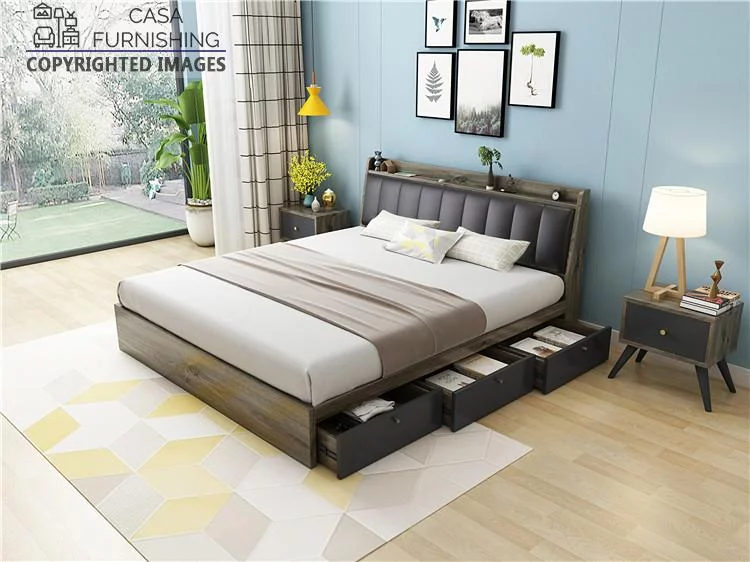
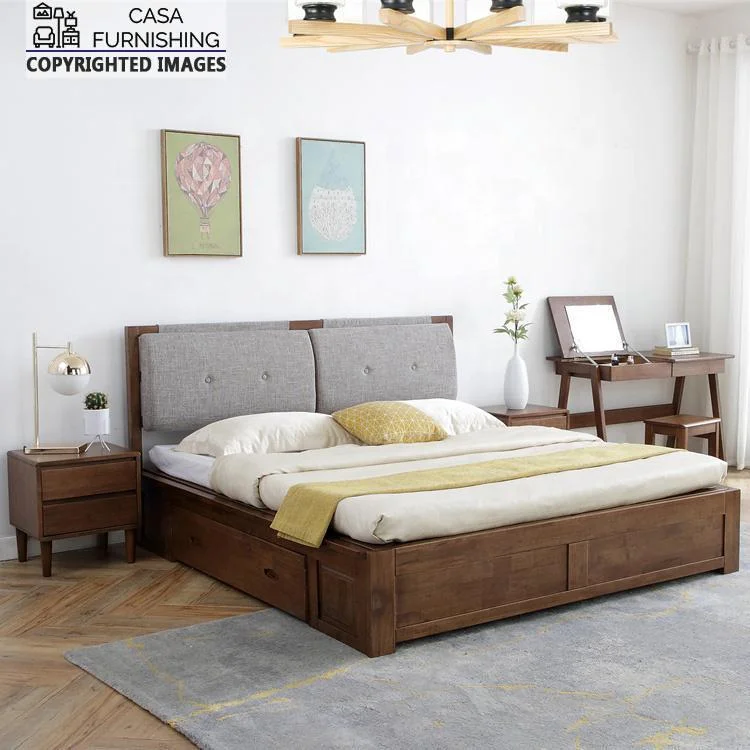
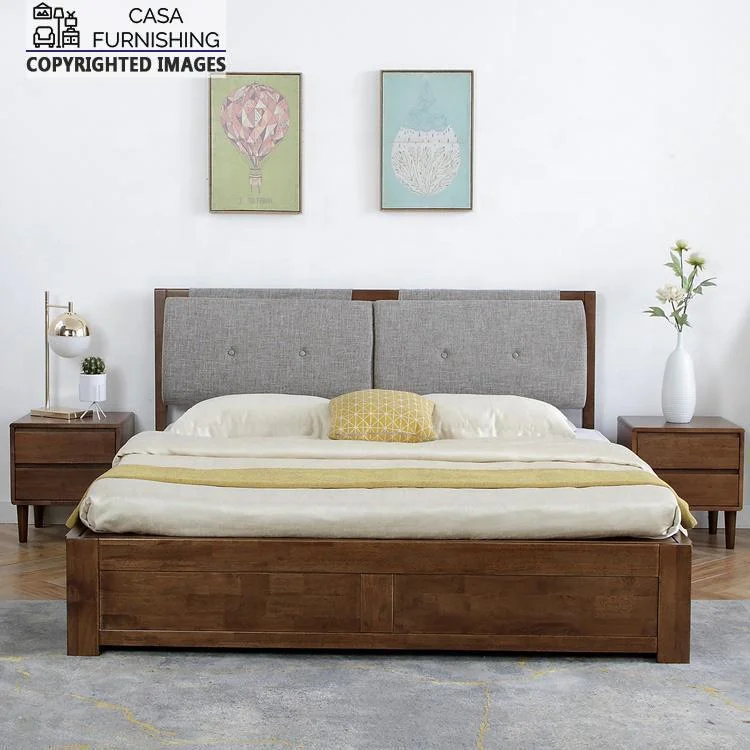
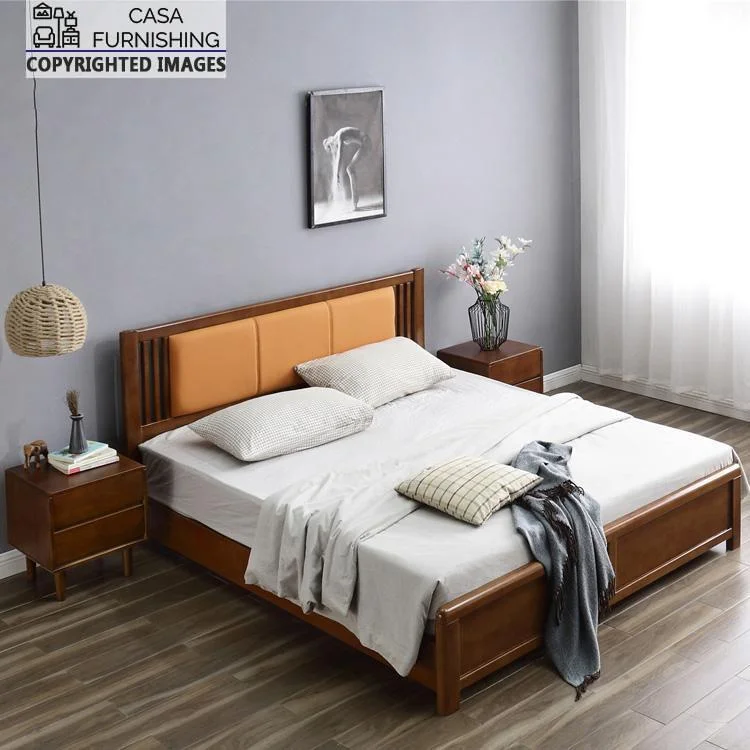
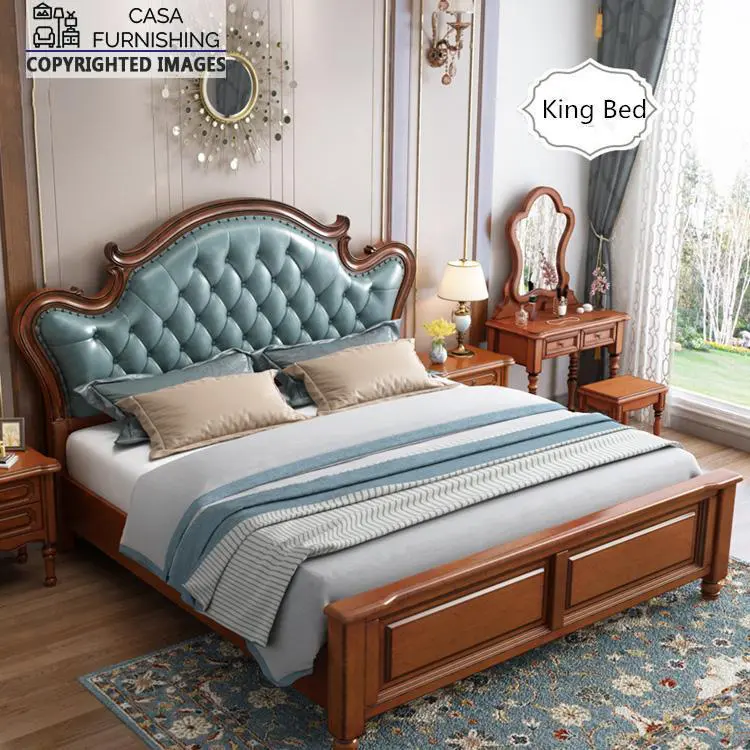
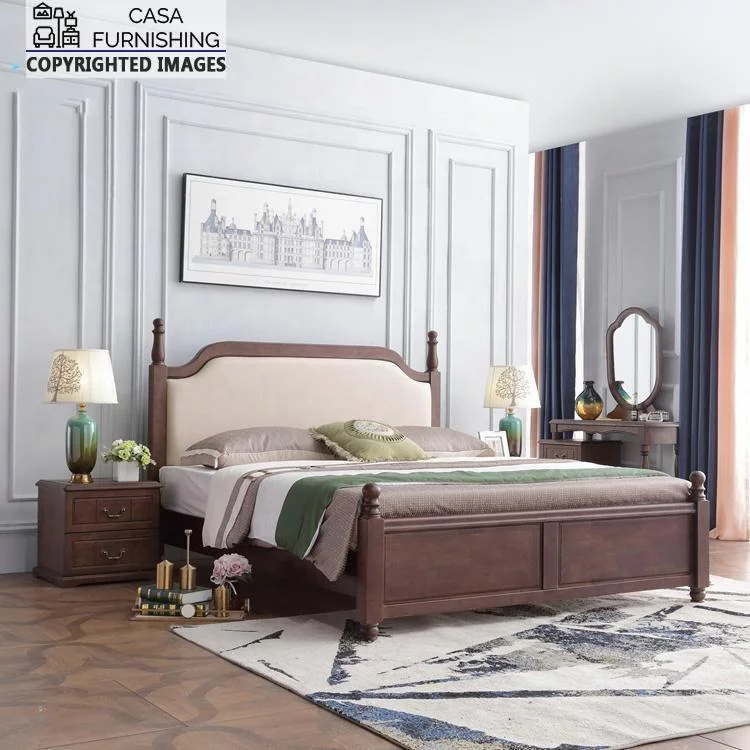
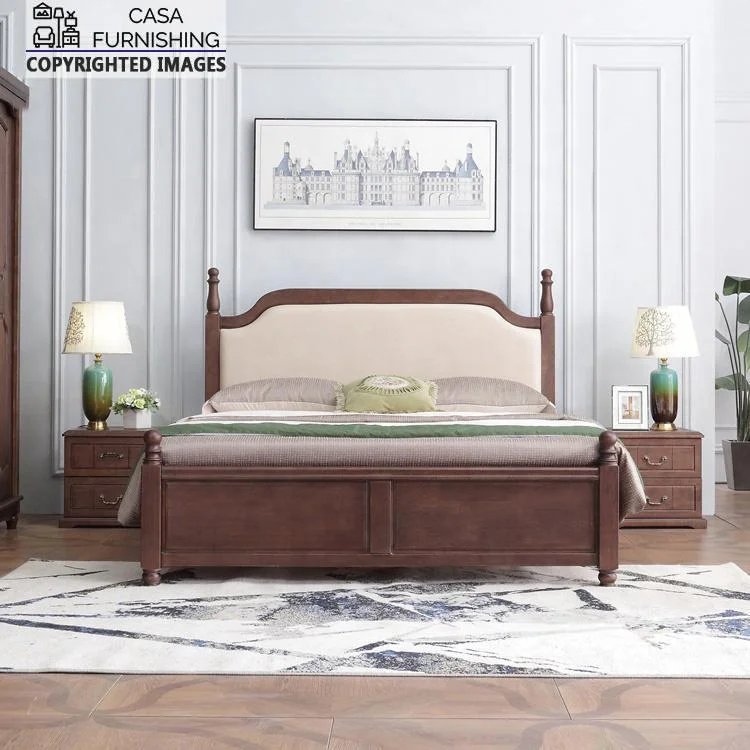
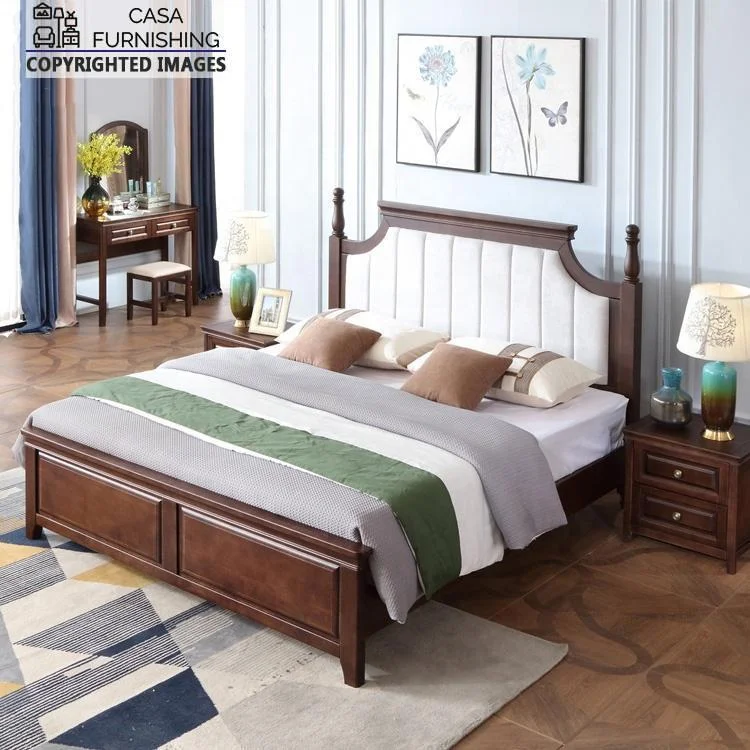
Transform your bedroom into a luxurious retreat with Casa Furnishing's exquisite range of upholstered beds, including stylish options with built-in storage. Crafted for comfort and sophistication, our uph beds elevate any sleep space with their elegant design and practicality. Explore our collection and discover the perfect upholstered storage bedto enhance your bedroom decor.
₹ 35,475.00–₹ 49,500.00Price range: ₹ 35,475.00 through ₹ 49,500.00
The Renaissance of Comfort: Why the Upholstered Bed is the New Soul of the Indian Bedroom
In the tapestry of Indian interior design, the bedroom has undergone a quiet but profound revolution. Gone are the days when a bed was merely a functional utility—a sturdy, unyielding frame meant solely for sleep. Today, the modern Indian home treats the bedroom as a personal sanctuary, a retreat from the chaotic hum of the city. At the heart of this transformation lies the upholstered bed, a masterpiece of furniture that bridges the gap between the uncompromised durability of traditional woodworking and the plush, tactile luxury of modern living.For the discerning homeowner, an upholstered bed is not just a sleeping surface; it is an architectural statement. It softens the hard lines of a room, introduces texture where there was once only rigidity, and offers a backrest that rivals your favorite lounge chair. At Casa Furnishing, we believe that true luxury is the result of a perfect marriage: the timeless strength of a Wooden Bed frame hidden beneath the grace of premium fabric. This is where heritage meets hedonism.
A Legacy of Leisure: From Royal Courts to Contemporary Homes
The concept of upholstery on beds is not a modern invention; it is a historical revival. Historically, in both European courts and Indian royal darbars, the hardness of wood was often softened with layers of cotton, silk, and velvet, creating spaces that were meant for more than just sleeping—they were spaces for conversation, reading, and leisure. However, for decades, the average household had to choose between the ornate but hard-carved wood beds or the flimsy, purely fabric-based alternatives that lacked longevity.We have rewritten this narrative. By engineering a modern upholstered bed that utilizes a solid Sheesham wood skeleton, we honor the Indian demand for "furniture that lasts a lifetime" while delivering the global aesthetic of a fabric bed. This evolution marks a cultural shift in how we inhabit our spaces. We are reading more in bed, working from our bedrooms, and binge-watching series on Sunday mornings. A hard wooden headboard simply cannot support this lifestyle; a tufted headboard with high-density cushioning, however, turns your bed into the most comfortable seat in the house.
Biophilic Design: The Fusion of Wood and Weave
There is a reason we feel instantly calmer when we walk into a room dominated by natural materials—this is the principle of Biophilic Design, the innate human tendency to seek connections with nature. A standard metal or engineered wood bed can feel sterile and cold. In contrast, our Sheesham wood upholstered bed collection is designed to ground you. The internal structure, crafted from seasoned Sheesham (Indian Rosewood), brings the earth element—stability, density, and resilience. The external upholstery—whether it be linen, velvet, or woven fabric—brings the element of softness and warmth.This tactile duality is critical for a restful night's sleep. When you run your hand along the frame, you don't encounter the cold shock of metal or the artificial smoothness of plastic. You feel the weave of the fabric and the solidity of the wood. This sensory experience signals safety and comfort to the brain, lowering cortisol levels and preparing the body for rest. Furthermore, when paired with complementary Wardrobes and bedside elements, the upholstered bed anchors the room, absorbing sound and reducing echo to create a hush, acoustic cocoon perfect for deep sleep.
Part 2: The Material Science – What Lies Beneath the Fabric?
There is an unwritten rule in the mass-market furniture industry: "If the customer can't see it, don't spend money on it." This is the unfortunate reality of many upholstered beds available online today. Because the frame is entirely concealed by foam and fabric, many manufacturers seize the opportunity to use low-grade engineered wood, particle board, or chemically treated pine. These materials may look pristine in a showroom, but under the stress of daily usage, they are ticking time bombs of structural failure.At Casa Furnishing, we adhere to a radically different philosophy: The soul of the bed is its skeleton. We believe that an upholstered bed is, first and foremost, a wooden bed. The fabric is merely the skin; the wood is the bone. This is why every single upholstered bed in our collection is constructed on a foundation of Solid Sheesham Wood (Indian Rosewood). To understand why this matters, one must delve into the technical material science that separates a "use-and-throw" product from a family heirloom.
The Janka Hardness Test: Quantifying Durability
In the world of dendrology (the study of trees) and woodworking, durability isn't a vague marketing term; it is a measurable metric. The industry standard for measuring the resistance of wood to wear, denting, and structural fatigue is the Janka Hardness Test. This test measures the force required to embed an 11.28mm steel ball halfway into a sample of wood.Why does this matter for your Bed Frame? An upholstered bed relies heavily on joinery—the points where the headboard connects to the rails, and the rails connect to the footboard. In softer woods (like Pine) or composites (like MDF), the screws and bolts used in these joints eventually widen the holes they sit in due to the wood's softness. This leads to the dreaded "wobbly bed" syndrome within 12 to 18 months.Sheesham wood, however, boasts a Janka hardness rating of approximately 1,720 lbf (pounds-force). To put this in perspective, Teak is around 1,070 lbf, and Pine is often as low as 380 lbf. This incredible density means that when we drive a bolt into a Sheesham frame, the wood grips the metal with iron-like tenacity. The joints do not loosen. The frame does not wobble. It remains a silent, stoic platform for decades, regardless of how many times you move houses or rearrange your room.
Density and the "Anti-Squeak" Architecture
One of the most common complaints about fabric beds is the noise—the squeaks and creaks that disturb sleep during movement. This acoustic annoyance is almost always a symptom of low density. Lighter materials vibrate and shift easily.Sheesham is a heavy, dense hardwood with a specific gravity range of 0.7 – 0.8. This mass is a critical functional asset. A heavy Wooden Bed Design sits dead-weight on the floor. It anchors itself. When you turn over in sleep, the bed absorbs the kinetic energy rather than reverberating with it. By using this dense timber as the internal chassis of our upholstered beds, we essentially create a sound-deadening core. You get the silence of a solid wood bed with the softness of a padded one.
The Science of Seasoning: Preventing Internal Warping
The greatest enemy of an upholstered bed is internal warping. If the wood inside the headboard twists or bows due to moisture changes, it will distort the fabric, causing unsightly ripples (wrinkling) or, in severe cases, tearing the upholstery from the inside out.This is where our proprietary Seasoning Process becomes non-negotiable. Freshly cut timber contains "free water" in its cells. Before a single piece of wood is cut for our frames, it undergoes rigorous kiln-drying to reduce moisture content to a stable 8-12%. This equilibrium ensures that the wood is "dead" in the best possible sense—it is dimensionally stable. Whether you live in the humid monsoons of Mumbai or the dry heat of Rajasthan, the Sheesham skeleton inside your bed will not expand or contract significantly. This stability protects the integrity of the expensive velvet or linen stretched over it, ensuring the tufting remains tight and the lines remain straight.
Natural Resistance: The Termite Shield
Finally, we must address the biological threat. In a tropical country like India, termites are a genuine concern for any furniture. Softwoods and plywoods are like fast food for termites—easy to eat and digest. Sheesham wood, however, is naturally rich in oils and resins that act as a deterrent to pests. While we still treat our wood for absolute safety, the material itself provides a "first line of defense."When you invest in a Casa Furnishing Storage Bed, where you might be storing expensive winter quilts or wedding saris in the under-bed compartments, this biological resistance is paramount. You are not just buying a bed; you are buying a secure vault for your belongings, protected by the natural chemistry of Sheesham wood.
Part 3: The Configuration Guide – Blueprint for a Perfect Fit
A bed is the largest piece of furniture you will ever own. Its footprint defines the flow of your sanctuary. A common mistake in interior design is falling in love with a design without respecting the dimensions. At Casa Furnishing, we offer customization because we understand that Indian homes vary wildly—from compact Mumbai apartments to sprawling Delhi farmhouses. This section is your architectural roadmap to choosing the right configuration for your specific lifestyle.
Decoding Dimensions: The King vs. Queen Debate
The terms "King" and "Queen" are often used loosely, but in the world of premium manufacturing, precision is key. An Upholstered Bed inherently has a larger footprint than a simple wooden frame due to the padding on the headboard and side rails (adding approximately 2-3 inches to the overall outer dimensions).The Golden Rule of Flow: Before selecting a size, measure your room. You ideally need a minimum of 24 inches (2 feet) of walking space around the three accessible sides of the bed. This ensures you aren't "shuffling" sideways to get to your Wardrobe Design or balcony.
Young couples, compact master bedrooms, or guest rooms.
Headboard Ergonomics: The Height Factor
The defining feature of a tufted bed is the headboard. However, height is not just an aesthetic choice; it is a functional one.
Tall Headboards (45+ inches): These create a dramatic focal point and offer superior back support for sitting up. They are best suited for rooms with high ceilings where you want to make a statement.
Mid-Height Headboards (35-40 inches): These are strategic problem solvers. If your bed must be placed under a window, a mid-height headboard ensures you don't block natural light while still providing that crucial cushion for your back.
The Storage Matrix: Hydraulic vs. Drawer Systems
In modern urban living, storage is not a luxury; it is a necessity. Our Storage Beds are engineered to be "invisible closets," utilizing the dead space beneath your mattress. We offer two distinct mechanisms, each serving a different user behavior.
1. Hydraulic Storage (The "Trunk" Approach)
This is the heavy-lifter. Using gas-lift pistons (similar to a car's boot), the entire mattress platform lifts up effortlessly.
Pros: You get 100% access to the storage cavity. There are no dividers, meaning you can store bulky items like suitcases, guest mattresses, or winter duvets.
Best For: Items you access occasionally (seasonal gear).
Mechanism: We use heavy-duty hydraulics tested for 20,000 cycles, ensuring safety and ease even with a heavy mattress.
2. Drawer Storage (The "Daily Access" Approach)
These are large pull-out drawers integrated into the side rails of the bed.
Pros: You don't need to disturb the mattress or the person sleeping on it to access your things. It functions like a horizontal dresser.
Best For: Daily use items like bed linens, extra pillows, or everyday clothes.
Note: Requires side clearance in the room to pull the drawers out fully.
Whether you choose an upholstered king bed storage unit or a sleek queen frame without storage, the internal engineering remains consistent: solid Sheesham wood supports that ensure your storage never sags and your sleep never suffers.
Part 4: Design & Aesthetics – Tailoring Your Personal Retreat
If the frame is the skeleton and the cushion is the muscle, then the fabric and finish are the soul of the bed. In the realm of interior design, a bed is rarely just a place to sleep; it is the visual anchor of the master suite. It sets the tone for everything else—from the curtains to the rugs. At Casa Furnishing, we offer a curated palette of textures and tones designed to transcend fleeting trends, offering instead a "future-proof" elegance.
The Fabric of Reality: Choosing Your Upholstery
The choice of fabric for your Fabric Bed is often dictated by two factors: tactile preference and lifestyle. In the diverse climate of India, where summers can be humid and winters dry, the "breathability" vs. "warmth" debate is real.
1. The Velvet Touch (The Royal Choice)
Velvet is the undisputed king of upholstery. It catches light in a way that flat fabrics cannot, creating a dynamic visual depth.
Aesthetic: Opulent, dramatic, and soft to the touch. It screams luxury.
Best For: Master bedrooms seeking a "hotel-like" vibe. A deep emerald or navy velvet headboard instantly elevates a room.
Maintenance: Modern performance velvets are surprisingly durable and easy to spot-clean, resisting the "crushed" look of older fabrics.
2. Linen and Cotton Blends (The Organic Choice)
For those who prefer the Scandi or Minimalist aesthetic, natural weaves are ideal.
Aesthetic: Matte, textured, and understated. It feels cool against the skin.
Best For: Hotter regions or rooms with a "breezy" Simple Bed Design. These fabrics don't trap heat, making them perfect for the Indian summer.
The Art of Tufting: Defining the Silhouette
The "personality" of an upholstered bed is largely defined by how the fabric is secured to the board. This technique, known as tufting, changes the vibe from "Vintage" to "Vogue."
Diamond/Button Tufting (Chesterfield Style): The classic choice. Deep buttons create a diamond pattern that holds the foam firmly in place. This is the hallmark of a traditional tufted headboard and pairs beautifully with antique decor or heavy drapes.
Channel Tufting (Vertical/Horizontal lines): The modernist's favorite. Parallel lines (channels) create a sleek, architectural look. Vertical channels draw the eye upward, making low ceilings feel higher—a perfect trick for a Modern Bed Design.
Plain/Panel Design: No buttons, no pleats. Just a smooth, uninterrupted expanse of fabric. This highlights the quality of the material itself and is easiest to vacuum/dust.
The Visible Wood: Framing the Softness
Even in a fully upholstered bed, the connection to nature remains visible through the exposed legs or base frame. Because we use solid Sheesham wood, we don't paint over these elements; we stain them to reveal the grain.We offer three distinct finishes to match your existing Wooden Bed furniture:
Honey Finish: A golden, warm tone that highlights the intricate grain patterns. Ideal for rooms with less natural light.
Walnut Finish: A deep, chocolate brown that exudes maturity and sophistication. It contrasts stunningly with lighter fabrics like beige or cream.
Stone/Teak Finish: A neutral, rustic finish that sits happily between the two, offering versatility for changing decor styles.
Color Psychology: Setting the Mood
A contemporary upholstered bed is a large block of color. Choosing the right hue is critical for sleep hygiene.
Greys and Beiges: The safest investment. They are "chameleons" that allow you to change your bedsheets and wall colors without clashing.
Blues and Greens: These cool tones are scientifically proven to lower heart rates and induce calmness. A cloth headboard in Midnight Blue is a best-seller for this very reason.
Mustard or Rust: For the bold. These "spice" tones add warmth and act as a statement piece in an otherwise neutral room.
Part 5: The Interior Ecosystem – Creating a Cohesive Sanctuary
An upholstered bed is a commanding presence. Because of its visual weight and texture, it demands that the rest of the room plays a supporting role. A common design error is treating the bed as an isolated island. To create a magazine-worthy bedroom, you must view the space as an interconnected ecosystem where the bed, storage, and layout converse with each other.
The "Soft-Hard" Balance: Pairing with Storage Furniture
Since your new bed features soft, fabric-clad surfaces, the surrounding furniture should ideally provide a contrast with hard, natural textures. This "Soft-Hard" interplay prevents the room from feeling too stuffy or too sterile.1. The Wardrobe Connection:
If you have chosen a modern upholstered bed with a velvet finish, avoid high-gloss laminates for your wardrobe as they can look cheap in comparison. Instead, opt for a matte or textured wood finish. Our Wardrobe Design collection focuses on natural wood grains that complement the organic feel of fabric. If your room is compact, consider a sliding door wardrobe to maintain the clearance space we discussed in Part 3.2. Vertical Storage Dynamics:
In many Indian master bedrooms, floor space is premium. A heavy upholstered bed takes up significant "visual floor space." To counter this, use vertical storage like a tall Chest of Drawers. This piece serves a dual purpose: it organizes your clutter (lingerie, accessories, documents) and acts as a wooden anchor that visually balances the softness of the bed. Placing a chest of drawers opposite the foot of the bed creates a symmetrical, grounded layout.
Vastu Shastra: Aligning Energies
In the Indian context, the placement of the bed is not just about aesthetics; it is about energy flow. An upholstered bed, being a place of rest, is deeply influenced by directional alignment.
Head Direction: According to Vastu, the ideal position is to place the headboard towards the South or East. Sleeping with your head towards the South aligns your body's magnetic field with the Earth's, promoting deep, restorative sleep. Never place the headboard towards the North, as this is believed to cause disturbed sleep and health issues.
The Solid Wall Rule: Always place your tufted headboard against a solid wall. Avoid placing it against a window (unless necessary) or floating it in the middle of the room. A solid wall represents stability and support in life.
Mirror Placement: If you have a dressing table or a mirrored wardrobe, ensure it does not reflect the bed directly. Seeing your reflection while sleeping is considered auspiciously draining. If unavoidable, use a curtain or cover for the mirror at night.
Rug Placement: Anchoring the Softness
An upholstered bed needs a "stage." Placing it directly on a tiled or marble floor can sometimes make it look like it's "floating" uncomfortably. A rug anchors the bed visually.
The "2/3rds Rule": You don't need a rug that covers the entire floor. Place a large rug horizontally under the bed so that it starts about 2 feet from the headboard and extends 2-3 feet beyond the footboard. This ensures that when you step out of bed, your feet land on something soft, not cold marble.
Texture Matching: If your bed fabric is smooth (like velvet), choose a rug with high pile or texture (like wool or jute). If your bed fabric is textured (like linen), a smoother, patterned rug works best.
Part 6: The Owner's Manual – Care, Maintenance, and The Mega FAQ
Investing in a premium Upholstered Bed is akin to buying a tailored suit. It requires a different level of care than a standard wooden frame, but the reward is a bedroom that feels consistently luxurious. Because we use high-grade fabrics and solid Sheesham wood, our beds are built to last—but a little maintenance goes a long way.
The 5-Minute Maintenance Routine
Contrary to popular belief, maintaining a fabric bed doesn't require professional cleaning services every month.
Weekly Vacuuming: Use the upholstery attachment on your vacuum cleaner to gently sweep the headboard and side rails. This prevents dust from settling into the weave of the fabric.
The "Lint Roller" Trick: If you have pets, keep a lint roller in your bedside drawer. A quick roll every morning keeps the tufted headboard free of fur and looking crisp.
Spot Cleaning: Accidents happen. If you spill coffee or tea, blot (do not rub) the stain immediately with a clean, dry cloth to absorb moisture. For tough stains, use a mild fabric cleaner diluted with water, but always test it on a hidden area first.
Sunlight Management: While our fabrics are fade-resistant, prolonged exposure to harsh direct sunlight (especially in Indian summers) can lighten any textile over years. If your bed is near a window, use sheer curtains to diffuse the light.
The Mega FAQ: You Asked, We Answered (Top 15 Queries)
Q1: Is an upholstered bed durable for Indian homes with dust?A: Yes. Regular vacuuming (once a week) keeps dust at bay. Darker colors like Navy, Grey, or Chocolate are excellent for Indian environments as they show less dust than lighter creams.Q2: Can I remove the fabric for washing?A: Our upholstery is fixed firmly to the frame to ensure tight, wrinkle-free tufting. It is not removable. We recommend spot cleaning or professional upholstery cleaning (like sofa cleaning) once a year.Q3: Will the Sheesham wood frame get termites?A: Highly unlikely. We use seasoned, chemically treated Sheesham wood which is naturally resistant to termites. Our Wooden Bed structures are built to be pest-free.Q4: Does the bed come with storage?A: Yes! You can customize your order to include either Hydraulic Storage (gas-lift) or Drawer Storage. Check our Storage Beds section for options.Q5: What is the difference between King and Queen size?A: A King Size Bed is wider (72 inches/6 feet width) offering luxury space for couples. A Queen Size Bed is narrower (60 inches/5 feet width), perfect for compact rooms.Q6: Is the headboard height customizable?A: Standard height is usually 48 inches, but yes, as a manufacturer, we can customize the headboard height to ensure it doesn't block your windows or switchboards.Q7: Is assembly required?A: Yes, the bed is delivered in parts (Headboard, Footboard, Side Rails, Mattress Panel) to ensure safe transport. We provide free expert assembly at the time of delivery.Q8: Can I change the fabric color later?A: Re-upholstery is possible but requires a professional. We recommend choosing a timeless color like Grey or Beige initially, which matches any wall color.Q9: Is the back of the headboard finished?A: The back is typically covered in a durable black dust-cover fabric as it is meant to be placed against a wall. If you plan to float the bed in the room center, please request a full-finish back.Q10: Does the bed squeak?A: No. The solid Sheesham wood chassis is heavy and dense. Unlike metal beds that loosen over time, our wood joinery remains silent and sturdy.Q11: What is the warranty period?A: We offer a comprehensive 12-month warranty against any manufacturing defects in the structure or mechanism.Q12: Can cats scratch the fabric?A: While no fabric is 100% scratch-proof, Velvet is surprisingly resistant because it lacks the "loops" that cats love to hook their claws into. Linen is more susceptible.Q13: How much weight can the bed support?A: Our solid wood structure is engineered to support up to 350-400 kg effortlessly, accommodating heavy mattresses and multiple sleepers.Q14: Do you sell mattresses too?A: We specialize in furniture frames. However, our beds are built to standard Indian mattress sizes (78x72 for King, 78x60 for Queen), so any standard mattress will fit perfectly.Q15: How do I clean the wooden legs?A: Simply wipe the exposed wooden legs with a dry or slightly damp cloth. Avoid harsh chemical sprays on the wood polish.
Conclusion: The Casa Promise
An upholstered bed is more than a purchase; it is a commitment to a better quality of life. It is the promise of Sunday mornings spent reading in comfort, of a bedroom that feels like a boutique hotel, and of a sleep sanctuary that supports you—body and soul.At Casa Furnishing, we don't just sell furniture; we craft legacies from Sheesham wood. When you choose one of our beds, you are choosing the perfect balance of Indian craftsmanship and global design aesthetics. Welcome to the new standard of sleeping.